TPEG / HPEG / EPEG Monomers
Polyether macromonomers for PCE manufacturers who synthesize their own superplasticizer. Consistent hydroxyl value, low residual PEG content and predictable reactivity in free-radical polymerization.
The performance ceiling of your PCE is set before polymerization begins — it is determined by the quality of the macromonomer. Variations in hydroxyl value or residual PEG content shift your conversion rate, and you end up chasing your formulation with every new batch.
Our macromonomers are produced to tight specifications and released against a Certificate of Analysis that reports hydroxyl value, moisture, pH and residual PEG content. We can also match a specification you already use, so switching supplier does not mean reformulating.
TPEG and HPEG remain the industry workhorses, while EPEG has become the preferred choice for many producers because of its higher reactivity and reduced use of methyl methacrylate in the synthesis.
Typical Specifications
Values are typical and not a specification. Request the latest TDS for guaranteed figures.
Available Grades
Each grade is developed around a different balance of water reduction, slump retention and setting behaviour. Tell us your application and we will recommend the right one — or test samples if you are unsure.
The classic macromonomer with balanced reactivity and cost. Well-understood behaviour in free-radical polymerization, making it a safe choice for producers running established formulations.
| Reactivity | Standard |
|---|---|
| Typical Use | General-purpose PCE synthesis |
| Key Feature | Balanced cost and performance |
Higher reactivity than standard TPEG, allowing shorter reaction times and more complete conversion. Widely used in high-performance water reducer formulations.
| Reactivity | High |
|---|---|
| Typical Use | High-performance PCE synthesis |
| Key Feature | Shorter reaction time, higher conversion |
The newer generation macromonomer. Its higher reactivity means less methyl methacrylate is required and the polymerization is easier to control, which reduces both cost and batch variation.
| Reactivity | Very High |
|---|---|
| Typical Use | New-generation PCE synthesis |
| Key Feature | Reduced MMA usage, easier control |
Suitable Applications
Ordering Information
| MOQ (liquid) | 1 tonne (or 25 kg trial pack) |
|---|---|
| MOQ (powder) | 500 kg (or 25 kg trial pack) |
| Free sample | 1 kg liquid / 500 g powder, courier cost only |
| Sample lead time | 3–5 working days |
| Order lead time | 7–15 working days after deposit |
| Payment terms | 30% T/T deposit, 70% against B/L copy; or irrevocable L/C at sight |
| Shipping terms | FOB / CIF / DDP — your choice |
| Packaging — liquid | 200 L drums, 1,000 L IBC tanks, or 20 ft flexitank |
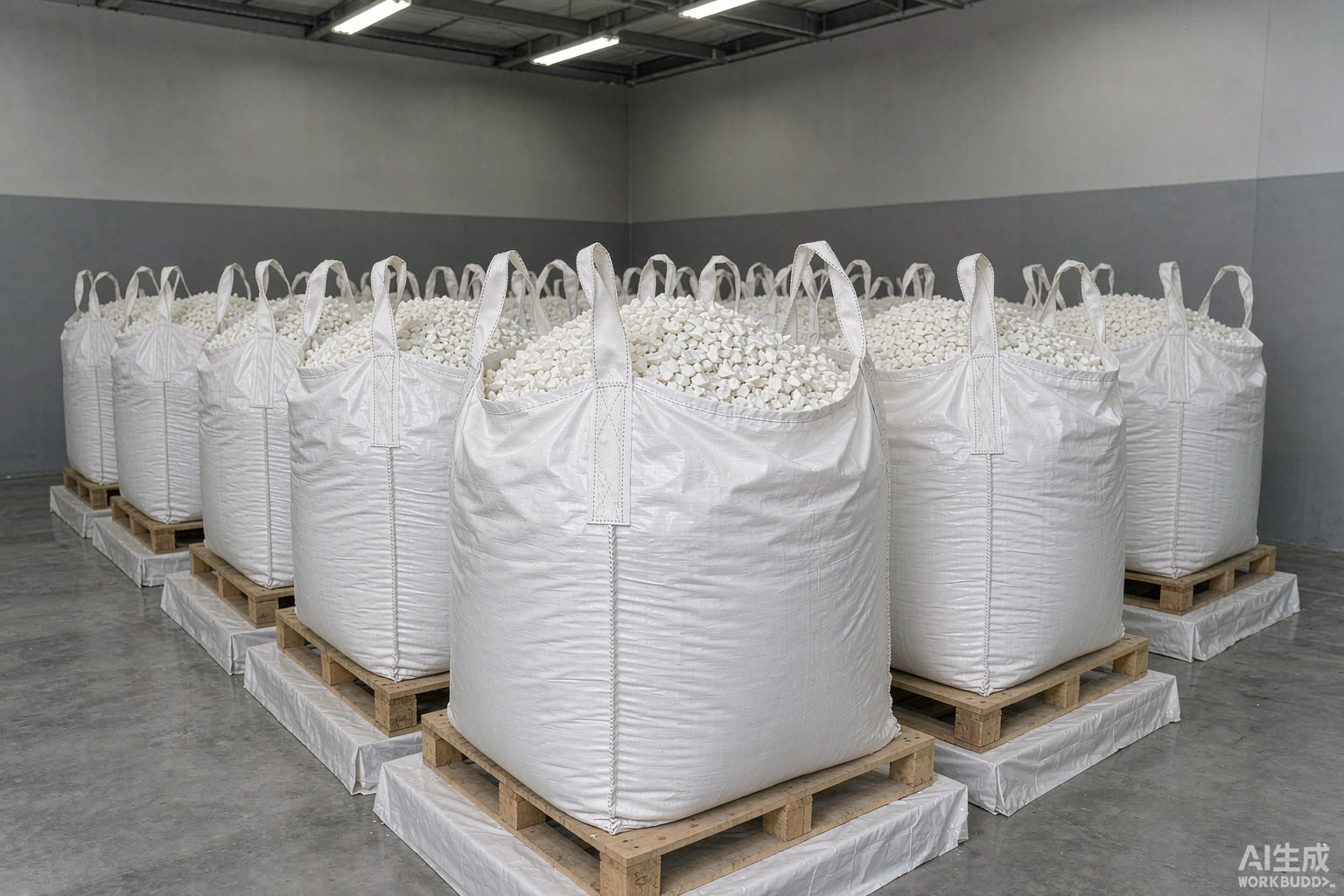
| Packaging — powder | 25 kg PP/PE bags with inner liner, or 500 kg jumbo bags |
Questions About Macromonomers?
Yes. Send us your current specification sheet and we will either confirm we can match it exactly or provide the closest equivalent with a sample for your own trial polymerization before you commit to a bulk order.
Trial quantities start at 25 kg so you can run pilot polymerization. Commercial orders are typically 1 tonne or a full 20 ft container. Please tell us your monthly consumption and we will quote accordingly.
Yes. Every batch ships with a COA reporting hydroxyl value, moisture content, pH value and residual PEG content. Third-party testing by SGS or BV can be arranged on request at additional cost.
Tell Us What You Need
Our technical sales team replies within 12 working hours with a quotation, technical data sheet and a dosage recommendation for your application.
Want to test Macromonomers with your own materials?
We ship a free sample within 3 working days so you can verify performance against your own cement, aggregate and mix design before committing to a bulk order.